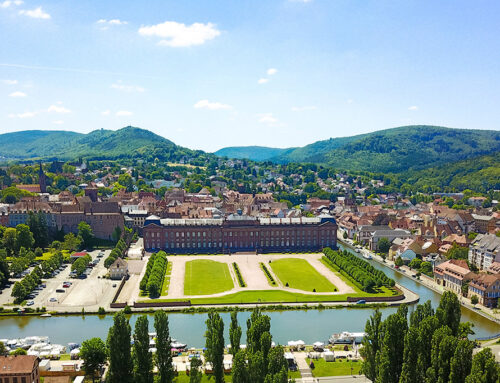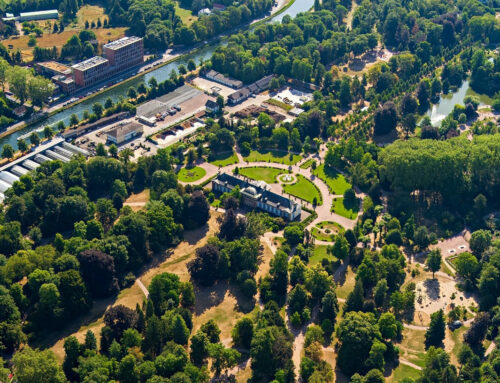

This guide focuses on the practical side of living in Alsace, with particular attention to the cities and neighborhoods of Bas-Rhin. It is designed for individuals, couples and families who want to settle permanently rather than visit as tourists.
Table of Contents
- Why Bas-Rhin Is Attractive for Long-Term Residents
- Choosing Between a City, Suburb or Smaller Town
- Bas-Rhin Cities and Neighborhood Profiles
- Understanding the Cost of Living
- Schools, Healthcare and Local Services
- The Role of SCOT in Everyday Life
- A Practical Moving Checklist
- Integrating into Local Life
- Questions Fréquentes
- Chiffres Clés
- Conclusion
Why Bas-Rhin Is Attractive for Long-Term Residents
Bas-Rhin combines a large metropolitan area, medium-sized towns and rural communities. This gives newcomers several possible lifestyles:
- Living in a dense urban neighborhood with access to public transport and services
- Choosing a suburban municipality with more space and a shorter distance from nature
- Settling in a medium-sized city with local shops, schools and administrative services
- Living in a smaller town while commuting to Strasbourg, Haguenau, Saverne or another employment center
The key point is that Alsace is not one single residential market. A household living in central Strasbourg will experience a very different daily routine from a family in Haguenau, Molsheim, Saverne or a village near the Vosges.
The right location depends on your priorities:
- Budget: rent, purchase price, utilities and transport costs
- Work: daily commuting distance and access to employment centers
- Family needs: schools, childcare, healthcare and extracurricular activities
- Mobility: access to rail, buses, cycling routes and major roads
- Long-term plans: renting temporarily, buying a home or raising children locally
Choosing Between a City, Suburb or Smaller Town
Before searching for accommodation, define the type of environment you need.
| Residential setting | Main advantages | Possible limitations |
|---|---|---|
| Central Strasbourg neighborhood | Strong public transport, services, employment, universities and cultural facilities | Higher housing costs, limited parking and denser housing |
| Outer Strasbourg neighborhood | Better balance between services and space | Commute may depend on tram, bus or car |
| Medium-sized city such as Haguenau or Saverne | More moderate housing costs and useful local services | Fewer specialized services than Strasbourg |
| Suburban municipality | Larger homes, quieter environment and family-oriented facilities | Greater dependence on a car in some areas |
| Small town or village | Lower density, community atmosphere and potentially more space | Limited public transport, healthcare and shopping options |
A common mistake is to compare only the monthly rent. A cheaper home can become expensive if it requires two cars, long commutes, additional childcare arrangements or frequent travel to Strasbourg for medical appointments and administrative procedures.
The “15-minute daily life” test
When visiting a potential neighborhood, check whether you can reach the following within approximately 15 minutes:
- Grocery shop or supermarket
- Pharmacy and general practitioner
- Primary school or childcare
- Bus or train connection
- Bakery and basic services
- Green space or safe walking route
- Local town hall or municipal service point
This simple test often reveals more than a property listing.
Bas-Rhin Cities and Neighborhood Profiles
Strasbourg: maximum services, higher housing pressure
Strasbourg is the most connected urban center in Bas-Rhin. It offers the broadest range of employment, education, healthcare, public transport and administrative services. It can suit people who want to live without relying entirely on a car.
However, the city is not uniform. A neighborhood’s atmosphere and housing costs can change significantly depending on proximity to the center, tram access, building quality, noise levels and ongoing urban development.
In 2025, the median rent recorded for the Eurométropole of Strasbourg was reported at €11.60 per square meter per month, excluding charges, with differences between rental zones. citeturn5684da-02
Before choosing a Strasbourg neighborhood, examine:
- Distance from the nearest tram or bus stop
- Noise during evenings and weekends
- Parking availability
- Energy performance of the building
- School catchment area
- Planned construction or road works
- Flood, heat or environmental risks
- Access to healthcare and childcare
Neighborhoods with lower purchase prices may offer opportunities, but price alone should not determine your decision. Visit at different times of day and speak with residents or local associations.
Haguenau: a practical alternative north of Strasbourg
Haguenau is a significant urban center in northern Bas-Rhin. It can appeal to households seeking a city with local services while accepting a longer journey to Strasbourg for certain jobs or specialized facilities.
The city may be suitable for:
- Families looking for more space
- Workers employed in northern Bas-Rhin
- Households wanting access to schools and everyday services without metropolitan housing costs
- People who prefer a smaller urban environment
The main issue to assess is commuting. A lower housing cost may be offset by fuel, parking and travel time if your workplace is in Strasbourg or across the border.
Molsheim and the western metropolitan area
Molsheim and nearby towns are often considered by people working in the Strasbourg metropolitan area or along the western corridor. These locations can provide a balance between urban services, access to employment and a less dense residential setting.
When comparing a Molsheim-area property with one in Strasbourg, calculate the complete monthly budget:
- Rent or mortgage
- Fuel or public transport
- Parking
- Childcare
- Heating and electricity
- Time spent commuting
Saverne and smaller urban centers
Saverne can suit residents who want a smaller city with a clear local identity and access to basic services. It may be attractive for remote workers, retirees, families or employees whose work is located in western Bas-Rhin.
The trade-off is that some specialist medical, educational and employment services may require travel to Strasbourg or another larger center. Before moving, identify the nearest:
- Hospital or specialist clinic
- Secondary school options
- Employment services
- Public transport connection
- Large shopping area
- Emergency services
Sélestat and central Alsace connections
Although the main focus here is Bas-Rhin, Sélestat is relevant for people comparing different Alsatian living environments. Its position between larger cities can make it attractive to households looking for a medium-sized urban center with access to schools, shops and transport.
The general lesson is clear: a “good” city depends on your daily destination. A location that looks well connected on a map may be inconvenient if the transport schedule does not match your working hours.
Understanding the Cost of Living
The cost of living in Alsace is influenced by the location more than by the region as a whole. Housing is usually the largest variable, but transport and heating can significantly change the final budget.
Expenses to include in your forecast
| Expense category | Questions to ask |
|---|---|
| Housing | Is the rent or mortgage affordable after utilities and charges? |
| Energy | Is the building well insulated? What is the heating system? |
| Transport | Can you commute without a car? Will you need one or two vehicles? |
| Food | Are local shops convenient, or will you depend on large supermarkets? |
| Childcare | Are places available and what are the municipal rates? |
| Healthcare | Are doctors accepting new patients nearby? |
| Taxes and fees | Are there local charges, parking costs or coproperty expenses? |
For housing research, use official or regularly updated sources whenever possible. The Observatoire local des loyers provides rental information for the Eurométropole, while INSEE offers territorial comparisons for demographic and socioeconomic indicators. citeturn5684da-02 citeturn01ca23-04
Do not rely entirely on average figures. Two apartments with the same surface area may have very different monthly costs because of insulation, heating, parking, service charges or renovation needs.
📊 €11.60 per m² per month in 2025, excluding charges – Median rent in the Eurométropole of Strasbourg
Schools, Healthcare and Local Services
Education in Alsace
School registration is generally linked to the municipality where the child lives. After a move, parents normally contact the town hall to obtain an enrollment certificate, then complete registration with the assigned school. Required documents commonly include proof of identity and proof of address. citeturn41db82-00
For a family moving to Bas-Rhin, the recommended process is:
- Identify the municipality where you will officially reside.
- Contact the town hall’s education department.
- Ask which primary school serves your address.
- Prepare identity documents, family records and proof of residence.
- Request a school transfer or radiation certificate if necessary.
- Contact the school before the move whenever possible.
- Check school transport and childcare arrangements.
For middle school and high school, the process can involve the school district and the departmental education authority. If the local school has no available place, the education administration may be involved in assigning a suitable institution. citeturnb6c776-03
Healthcare access
Healthcare availability should be assessed before signing a lease, especially for families with young children, people with chronic conditions and older residents.
Check:
- General practitioners accepting new patients
- Pharmacies and dental practices
- Nursing and home-care services
- Hospitals and emergency departments
- Specialized healthcare within reasonable distance
- Medical transport if you do not drive
The Grand Est region has highlighted the importance of coordinating local authorities, health insurance representatives, regional health services and municipalities to facilitate healthcare access in areas facing shortages. citeturn2d8819-02
Public and local services
Your first point of contact should usually be the town hall or intermunicipal authority. Depending on the municipality, services may include:
- Waste collection and recycling
- Water and sanitation
- Childcare and school registration
- Social support
- Local transport
- Building permits and planning information
- Community activities and associations
- Emergency and safety information
The Role of SCOT in Everyday Life
A SCOT, or Schéma de Cohérence Territoriale, is a strategic planning document that helps coordinate development across several municipalities. It is not a service center like a town hall, but it influences how territories organize housing, transport, economic activity, environmental protection and urban growth.
For residents, SCOT planning can affect:
- Where new housing may be built
- Which areas are protected from development
- The location of future transport infrastructure
- The balance between housing and employment
- Preservation of agricultural and natural land
- Urban density and expansion
- Coordination between municipalities
The SCOTERS covers the Strasbourg region and works with higher-level planning documents and local urban planning documents. Its documentation addresses territorial coherence, demographic trends, housing and relationships with other planning frameworks. citeturnb1ee1d-00 citeturn683c19-01
How residents can use SCOT information
You can consult SCOT resources when you want to understand:
- Whether a neighborhood is expected to grow
- Why a new housing development is being proposed
- How agricultural or natural land is protected
- Whether transport or infrastructure changes are planned
- How local urban plans fit into broader territorial objectives
For a specific building project, however, contact the municipality or intermunicipal planning authority first. The SCOT provides the strategic framework, while local planning documents and town halls generally handle property-specific rules, permits and public inquiries.
Useful local contacts
- Town hall: school registration, local planning, public notices and municipal services
- Intermunicipal authority: waste, water, transport, housing or planning services depending on the territory
- SCOT office: strategic territorial planning documents and public consultation information
- Departmental services: social support, roads, education and certain public facilities
- INSEE: territorial statistics and demographic comparisons
- Service-Public.fr: official administrative procedures
- Local associations: integration, language support, family assistance and neighborhood activities
“SCOT planning coordinates housing, mobility, environmental protection and urban development across several municipalities”
— SCOTERS
A Practical Moving Checklist
Before choosing your address
- Visit the neighborhood on a weekday and at the weekend
- Test the journey to work or school
- Check public transport timetables
- Identify the nearest healthcare providers
- Contact the town hall about schools and childcare
- Review rental or property charges carefully
- Ask about planned construction and road works
- Check flood, noise, parking and energy issues
- Read the local urban planning information
- Estimate the full monthly cost, not just the rent
During the move
- Notify public administrations of your new address
- Transfer or arrange electricity, gas, water and internet
- Register children with the relevant school
- Update insurance and vehicle documents
- Register with local healthcare providers
- Check waste collection rules
- Locate the nearest pharmacy and emergency services
- Join a local association or residents’ group
During the first three months
- Attend a municipal information meeting if available
- Learn how local waste and recycling work
- Explore local transport options
- Build relationships with schools, neighbors and services
- Review your actual transport and energy costs
- Follow public consultations affecting your neighborhood
- Save the contact details of your municipality and intermunicipal authority
Integrating into Local Life
Integration is easier when it is practical and regular. You do not need to become involved everywhere immediately. Start with activities that correspond to your daily life:
- Parent associations
- Sports clubs
- Volunteering
- Neighborhood events
- Local libraries and community centers
- Language exchange groups
- Professional networks
- Environmental or solidarity associations
In Alsace, local relationships are often built gradually. Consistency matters more than making a large number of contacts quickly. Shopping locally, participating in municipal consultations and communicating respectfully with neighbors can help you understand the area and become part of it.
Learning a few local expressions or understanding regional habits can also be useful, but integration does not require abandoning your previous identity. The most sustainable approach is to participate at your own pace while respecting the rhythm of the community.
Questions Fréquentes
What is the best city in Bas-Rhin for a family?
There is no universal answer. Strasbourg offers the widest range of schools, healthcare and public transport, while towns such as Haguenau, Molsheim or Saverne may provide more space and a different housing balance. The best choice depends on your workplace, budget, school requirements and tolerance for commuting.
Is it cheaper to live outside Strasbourg?
Often, housing can be more accessible outside the metropolitan core, but this is not automatic. Transport, fuel, parking and childcare can reduce the difference. Compare the complete monthly budget before deciding.
How can I find information about a neighborhood’s future development?
Start with the town hall and the relevant intermunicipal authority. Then consult local urban planning documents and, where applicable, the SCOT. These resources can reveal planned housing, transport infrastructure, protected land and development priorities.
How do I enroll my child in school after moving to Alsace?
Contact the town hall of your new municipality first. It can identify the school sector and provide an enrollment certificate. You will then usually complete the registration with the school, supplying identity documents and proof of address. citeturn41db82-00
Are SCOT offices able to approve a building permit?
Generally, no. A SCOT establishes a strategic framework for territorial planning. Building permits and many property-specific planning questions are handled by the municipality or the competent intermunicipal planning service.
Chiffres Clés
📊 €11.60 per m²: Median monthly rent in the Eurométropole of Strasbourg in 2025, excluding charges.
Source: Observatoire local des loyers. citeturn5684da-02
🏫 Two main contacts: For a child’s school registration after a move, families generally begin with the town hall and then contact the assigned school.
Source: Service-Public.fr. citeturn41db82-00
🏘️ Several planning levels: A resident’s neighborhood is influenced by municipal planning, intermunicipal policies, SCOT strategies and regional planning frameworks.
Source: SCOTERS and Grand Est planning documentation. citeturnb1ee1d-00turned2522-03
Conclusion
Choosing where to live in Bas-Rhin requires more than comparing property advertisements or selecting the closest city to Strasbourg. A successful move depends on understanding the relationship between housing, transport, schools, healthcare, local services and territorial planning.
Whether you choose a Strasbourg neighborhood, Haguenau, Molsheim, Saverne or a smaller municipality, visit the area carefully, calculate the complete cost of daily life and speak with local services before committing. Consult SCOT and urban planning information to understand how your future neighborhood may evolve.
The most practical approach is to choose a location that supports your everyday routine today while remaining suitable for your long-term plans. That is the foundation for living well in Alsace and building a stable life in your new community.