
For travelers searching for what to see and do in Alsace, the Bas-Rhin offers more than postcard villages. In 2026, the department combines major heritage sites with contemporary exhibitions, local markets, seasonal festivals and low-impact experiences that make it possible to travel at a gentler pace.
This guide to visiting Alsace in 2026 brings together the essential sights, suggested itineraries, cultural highlights and practical advice for international visitors, French-speaking travelers and local residents looking for new ideas close to home.
Table of Contents
- Why Explore the Bas-Rhin in 2026?
- Strasbourg Essentials: History, Culture and Everyday Life
- The Bas-Rhin Wine Route and Picturesque Villages
- Castles, Forests and Family Activities
- Events and Exhibitions in Alsace in 2026
- Seasonal Markets: Spring and Christmas
- A Slow-Tourism Itinerary in the Bas-Rhin
- Practical Information for 2026
- Questions Fréquentes
- Chiffres Clés
- Conclusion
Why Explore the Bas-Rhin in 2026?
The Bas-Rhin, officially department 67, is one of the most varied parts of Alsace. Its landscapes move from the urban energy of Strasbourg to vineyards, medieval towns, forested hills, Rhine wetlands and villages close to the German border.
The department is particularly appealing in 2026 for three reasons:
- A rich cultural calendar, with exhibitions, festivals, contemporary art events and family programming.
- Easy access without a car, especially around Strasbourg and along sections of the Rhine cycle routes.
- A growing focus on slow tourism, local food, cycling, public transport and smaller destinations beyond the most photographed streets.
The best trips combine famous places with quieter pauses: a museum in the morning, a village market at lunchtime, a vineyard walk in the afternoon and a small winstub in the evening.
The most rewarding way to experience the Bas-Rhin is not to collect landmarks, but to create a rhythm between heritage, food, nature and local life.
Strasbourg Essentials: History, Culture and Everyday Life
Strasbourg incontournables for a first visit
Strasbourg deserves at least two full days. Its historic center is compact enough to explore on foot, yet rich enough to reward a slower return visit.
Prioritize:
- Strasbourg Cathedral, especially the astronomical clock and the views from the platform when open.
- The Grande Île, a UNESCO-listed historic center filled with medieval streets and Renaissance façades.
- Petite France, best explored early in the morning before the busiest hours.
- The covered bridges and Vauban Dam, offering one of the most recognizable city views.
- The Palais Rohan, home to several museums and a useful stop on rainy days.
- The European Quarter, where the European Parliament and contemporary architecture provide a different perspective on the city.
- The Neustadt, the imperial district with monumental avenues and a more spacious urban atmosphere.
- The banks of the Ill, ideal for a walk, picnic or bicycle ride.
Strasbourg is also a city to experience between attractions. Stop at a bakery, browse an independent bookshop, visit a neighborhood market or sit at a café away from the cathedral square.
Cultural highlights in Strasbourg in 2026
The official cultural calendar includes several notable events and exhibitions:
| Event or exhibition | Dates in 2026 | Location | Theme | Access |
|---|---|---|---|---|
| Biodivercity. Urban Animals | May 2–December 31, 2026 | Strasbourg | Urban wildlife and biodiversity | Check venue ticketing |
| The largest page ever printed of the first page of Gutenberg’s Bible | May 9–September 30, 2026 | Strasbourg | Printing, literature and cultural heritage | Check venue ticketing |
| Colors – Urban Art Festival | September 4–20, 2026 | Strasbourg | Street art and contemporary creation | Some activities may be free; verify program |
| Musica – Contemporary Music Festival | September 18–October 4, 2026 | Strasbourg | Contemporary music and performance | Mostly ticketed, with prices varying by event |
| Building · Preserving · Handing on: The 800 Years of the Œuvre Notre-Dame Foundation | October 16, 2026–April 11, 2027 | Strasbourg | Cathedral heritage and craftsmanship | Check museum or exhibition ticket |
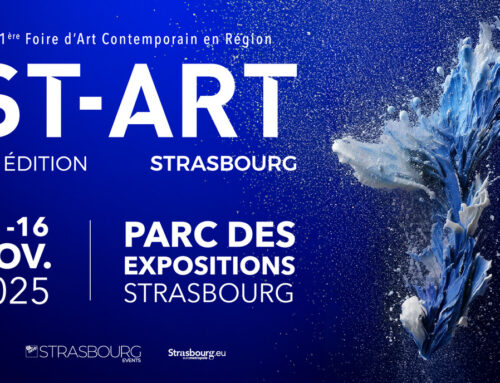
| ST-ART Contemporary Art Fair | November 13–15, 2026 | Schiltigheim | Modern and contemporary art | Paid admission expected |
| Au crépuscule de l’Ancien Régime: Le cardinal de Rohan et l’affaire du collier | November 20, 2026–March 15, 2027 | Strasbourg | Eighteenth-century history | Check venue ticketing |
“Strasbourg’s official 2026 calendar lists exhibitions, Musica, Colors, ST-ART and several heritage events with their locations and dates”
— Strasbourg Tourist Office
Practical tip: exhibition schedules and ticket arrangements can change. Confirm opening hours, booking requirements and temporary closures directly with the venue before traveling. Several Strasbourg museums publish exceptional closure information, particularly around public holidays and installation periods.
Insider tip
For a quieter experience of central Strasbourg, arrive before 9 a.m. and walk from the cathedral toward Petite France via the quieter riverside streets. In the late afternoon, cross toward the Neustadt or the Krutenau district, where residents—not only visitors—shape the atmosphere.
The Bas-Rhin Wine Route and Picturesque Villages
The Route des Vins du Bas-Rhin is best approached as a landscape rather than a checklist. Vineyards, Romanesque churches, cellar doors and village lanes unfold between the Vosges foothills and the plain.
Obernai, Barr and Mittelbergheim
A classic northern wine-route itinerary could include:
- Obernai, with its walls, market square and lively cafés.
- Barr, known for its wine traditions and old-town streets.
- Mittelbergheim, one of the region’s most atmospheric wine villages.
- Dambach-la-Ville, where fortified gates and vineyard paths create an easy day of exploration.
- Andlau, home to a remarkable Romanesque abbey church.
- Scherwiller, particularly pleasant for a walk beside the vineyards and streams.
The area is ideal for couples, food lovers and travelers who prefer short walks between cultural visits. Many producers welcome visitors by appointment, but spontaneous tastings are not always possible during harvest or busy weekends.
A quieter northern route
For a less conventional experience, head toward:
- Wissembourg, with its historic center and proximity to the northern Vosges.
- Cleebourg, a smaller wine area with a different atmosphere from the central wine route.
- Seebach, known for its traditional white façades and local heritage.
- Lauterbourg and the Rhine, where cycling and nature take precedence over sightseeing.
A recent cycle route linking the Rhine, the Lauter Valley and the Cleebourg vineyards illustrates how easily heritage and nature can be combined in northern Bas-Rhin.
“The BR93 route links the Rhine, the Sauer delta, Lauterbourg, the Lauter Valley, Cleebourg vineyards and traditional villages such as Seebach”
— Alsace à Vélo
Insider tip
Instead of visiting several villages in one rushed day, choose one base and explore nearby roads by bicycle or on foot. You will have more time to notice vineyard chapels, farm gates, local bakeries and the changing architecture from one village to the next.
Castles, Forests and Family Activities
Château du Haut-Kœnigsbourg
The Château du Haut-Kœnigsbourg is one of the most spectacular fortified castles in Alsace. Perched above the plain, it offers views across vineyards and, on clear days, toward the Black Forest.
Allow time for more than the main rooms:
- Walk around the exterior fortifications.
- Look closely at the reconstructed defensive details.
- Combine the visit with a forest walk.
- Arrive early or late in the day for a more comfortable experience.
- Check current opening hours, access conditions and ticket prices before departure.
The castle can become very busy during school holidays. A reservation may be advisable for guided visits or special programming.
Family activities in the Bas-Rhin
The department is well suited to multi-generational travel. Consider:
- Le Vaisseau in Strasbourg, an interactive science center designed for children and families.
- A short cycling trip along the Rhine or canal paths.
- A nature walk in the Rhine forests and wetlands.
- A visit to a small museum followed by a local pastry stop.
- A family-friendly castle or fortified village.
- A boat trip in Strasbourg, particularly for visitors who want an introduction to the city without a long walk.
- A forest picnic near the Vosges foothills, using local products purchased from a market.
For children, alternating indoor and outdoor activities works particularly well: museum in the morning, village or nature reserve in the afternoon.
Nature and sustainable tourism in Alsace
The Rhine side of the Bas-Rhin offers some of the region’s most sensitive landscapes. Around Munchhausen and the Sauer delta, visitors may encounter migratory birds, wetlands and old-growth riparian forest.
“The Rhine and Sauer Valley cycling route passes through protected natural areas, including the Sauer delta, and recommends careful attention to fragile habitats”
— Alsace à Vélo
Simple eco-gestures make a real difference:
- Stay on marked paths.
- Keep dogs under control where required.
- Avoid disturbing birds and wildlife.
- Carry a reusable bottle and picnic container.
- Use regional trains, trams and bicycles when practical.
- Choose local producers and accommodations that publish environmental commitments.
- Avoid visiting fragile natural sites during peak periods if a quieter alternative is available.
Events and Exhibitions in Alsace in 2026
A cultural agenda beyond the Christmas season
The agenda culturel Alsace 2026 is not limited to December. Spring and autumn are particularly rewarding for exhibitions, festivals and heritage programming.
Worth noting:
- Spring museum visits: Several Strasbourg museums organize guided tours, talks and family activities. Check dates carefully around public holidays and temporary closures.
- Urban art in September: The Colors festival brings contemporary creation into the city through exhibitions and street-art programming.
- Music in early autumn: Musica is a major appointment for listeners curious about contemporary music.
- Architecture and heritage in October: Architecture Days offer a way to understand the city beyond its famous façades.
- Contemporary art in November: ST-ART in Schiltigheim is suitable for both collectors and curious visitors.
For local residents, these events are an excellent reason to plan short cultural breaks rather than waiting for a full weekend away.
Exhibitions to plan around
When choosing an exhibition, check:
- Whether the display is permanent or temporary.
- Whether a timed entry is required.
- Whether guided tours are available in English, French or German.
- Whether the venue is accessible to visitors with reduced mobility.
- Whether the exhibition is included in a general museum ticket or requires separate admission.
Some events are free, particularly public talks or outdoor programs, while major exhibitions and festivals are generally paid. Always confirm the final conditions with the official organizer.
Seasonal Markets: Spring and Christmas
Spring markets in the Bas-Rhin
Spring markets are often more local and less crowded than the major Christmas events. Depending on the commune and year, they may focus on:
- Plants and gardening.
- Handmade crafts.
- Local food producers.
- Easter traditions.
- Farm products.
- Flea markets and village associations.
Because dates vary significantly between towns, check municipal websites, local tourism offices and community calendars shortly before your visit. Look especially at markets in Strasbourg neighborhoods, Obernai, Barr, Haguenau, Wissembourg and villages along the wine route.
For residents, a spring market can be paired with a short walk, a museum visit or a regional train trip.
Christmas markets in Alsace
Strasbourg’s Christmas market remains the best-known winter event in the region. Its historic Christkindelsmärik dates back to 1570, and the city’s program typically includes illuminated streets, concerts, religious heritage, craft stalls and seasonal food.
“Strasbourg’s Christmas market tradition is traced to 1570, with historic sites including Place Broglie and a wider program of concerts, exhibitions and seasonal activities”
— Strasbourg Tourist Office
For a less concentrated experience, consider combining Strasbourg with smaller Bas-Rhin markets in places such as:
- Obernai.
- Haguenau.
- Wissembourg.
- Ribeauvillé and nearby villages.
- Wine-route towns with limited-duration markets.
Exact 2026 dates, opening hours, security arrangements and access conditions should be checked when the official programs are published. During the busiest period, public transport is preferable: central Strasbourg may restrict vehicle access and parking arrangements can change during the market season.
Insider tip: visit on a weekday morning when possible. You will have more space to speak with artisans, compare local products and enjoy the decorations without treating the market as a rapid photo stop.
A Slow-Tourism Itinerary in the Bas-Rhin
Three days without rushing
Day 1: Strasbourg at walking pace
- Morning: cathedral, historic center and Palais Rohan.
- Lunch: a neighborhood market or traditional restaurant.
- Afternoon: Petite France, covered bridges and Vauban Dam.
- Evening: Krutenau, Neustadt or a cultural event.
Day 2: Wine villages and heritage
- Morning: Obernai or Barr.
- Midday: local lunch and a cellar visit by appointment.
- Afternoon: Mittelbergheim, Andlau or Dambach-la-Ville.
- Evening: stay in a village rather than returning immediately to Strasbourg.
Day 3: Castle, forest or Rhine landscapes
Choose one of two contrasting options:
- Heritage option: Haut-Kœnigsbourg and a forest walk.
- Nature option: cycle along the Rhine toward the Sauer delta, Munchhausen or Lauterbourg.
This itinerary works well by car, but parts can be adapted using regional trains, bicycles and local transfers. The most sustainable approach is to reduce the number of bases and spend more nights in each place.
Practical Information for 2026
Transport
- Strasbourg is easily reached by high-speed train and has an extensive tram network.
- Regional trains connect Strasbourg with towns such as Obernai, Sélestat, Haguenau and Wissembourg, although some wine-route villages require a local bus, bicycle or taxi.
- Cycling routes are particularly useful along canals, the Rhine and former railway lines.
- If driving, avoid entering historic centers unnecessarily. Use park-and-ride facilities where available.
Opening hours and reservations
- Museums commonly close on Mondays or have occasional exceptional closures.
- Castles and popular attractions may operate seasonal schedules.
- Book cellar visits, guided tours, festivals and busy Christmas weekends ahead of time.
- Confirm prices directly with the attraction, since 2026 tariffs and concessions may vary.
What to pack
- Comfortable walking shoes.
- A light waterproof layer.
- A reusable water bottle.
- A small daypack for markets and museum visits.
- Cycling gloves and lights if renting a bicycle.
- Cash for smaller village markets, while keeping a payment card for major attractions.
📊 3 days – Suggested minimum stay for a balanced Bas-Rhin discovery
Questions Fréquentes
What is the best time to visit the Bas-Rhin in 2026?
Late spring and early autumn are excellent for combining villages, vineyards, cycling and cultural events. December is ideal for Christmas markets but is also the busiest and most expensive period. For a quieter trip, choose a weekday in May, June, September or October.
What are the main things to see and do in the Bas-Rhin?
Start with Strasbourg, then add the wine route, Obernai, a fortified castle such as Haut-Kœnigsbourg, the Rhine forests and at least one museum or local market. The best itinerary depends on whether you prefer heritage, gastronomy, nature or family activities.
Is the Bas-Rhin suitable for a car-free trip?
Yes, particularly if you base yourself in Strasbourg and use trains, trams, buses and bicycles. A car is more convenient for remote wine villages and certain castles, but slow-tourism options are available along the Rhine, canals and regional railway lines.
Are Strasbourg Christmas markets free?
Walking through the market areas is generally free, but food, drinks, craft products, concerts and some special activities cost extra. Security controls, opening hours, parking rules and public transport arrangements can change from one year to the next.
Which exhibitions should I see in Strasbourg in 2026?
The 2026 program includes Biodivercity. Urban Animals, the Gutenberg Bible page exhibition, Colors, Musica, the 800th anniversary exhibition of the Œuvre Notre-Dame Foundation and the exhibition dedicated to Cardinal de Rohan and the Affair of the Diamond Necklace. Check each venue for tickets and opening conditions.
Chiffres Clés
📊 1570 — The year associated with the origins of Strasbourg’s historic Christmas market.
Source: Strasbourg Tourist Office
🚲 4 days / 3 nights — The suggested duration for the Alsace Vineyard Cycle Route, which passes through wine villages, vineyards, former railway paths and heritage sites.
Source: Alsace à Vélo
🎨 September 4–20, 2026 — Dates announced for the Colors Urban Art Festival in Strasbourg.
Source: Strasbourg Tourist Office
🎼 September 18–October 4, 2026 — Dates announced for Musica, Strasbourg’s contemporary music festival.
Source: Strasbourg Tourist Office
📊 Exhibitions, urban art, music, architecture and contemporary art – Major cultural programming highlighted in Strasbourg’s 2026 agenda
Conclusion
The Bas-Rhin is one of the best places to experience the many sides of Alsace in a single trip: a European capital, a wine-growing landscape, a living architectural heritage, a network of villages, a Rhine ecosystem and a busy cultural scene.
For what to see and do in Alsace, do not stop at the most famous viewpoints. Spend time in one village, book a meeting with a producer, follow a cycle path, visit an exhibition, attend a local market and leave room for the unexpected.
In 2026, plan beyond the postcard: explore the seasonal events, check the exhibition calendar, travel at a slower pace and let the everyday life of the Bas-Rhin become part of your journey. Then discover the next article in this series for another locally focused itinerary through Alsace.